Vrruksh Eco Stay
Pench / Satpura Region, Central India — 3 Nights, 4 Safaris | Handcrafted for Eco-Conscious Wildlife Lovers
Vrruksh Eco Stay represents a new philosophy in Indian wildlife tourism — one that views the lodge not as a vehicle for extracting experiences from a landscape, but as an integral, low-impact part of the ecosystem it inhabits. Set in the lush forests of Central India's Satpura-Pench corridor, the property is surrounded by a landscape of extraordinary biodiversity: mixed-deciduous forest transitioning to teak, sal, and bamboo groves, with the rivers and seasonal streams that define the region's wildlife corridors. The name 'Vrruksh' is derived from the Sanskrit for 'tree' — a fitting tribute to the forest philosophy that permeates every aspect of the guest experience.
July ushers in the full monsoon season in Central India, transforming this landscape into something almost unrecognisably lush and verdant. The forest is a deep, saturated green, waterfalls appear where dry stream beds existed weeks before, and the soundscape changes completely — the monsoon brings its own extraordinary chorus of frogs, insects, and rain-loving birds. Vrruksh operates July safaris into protected areas where access is maintained, and the experience of the jungle in this season is viscerally different from the winter months — wilder, more intimate, and profoundly connected to the rhythms of the natural world.
Suggested Resorts:
• Vrruksh Eco Stay — Award-winning eco-property built from natural materials, committed to zero-waste operations and community conservation.
• Forsyth Lodge (Alternative) — Heritage forest lodge in the Satpura landscape with excellent walking safaris and boat safaris.
• Pench Tree Lodge (Nearby Option) — Tree-house eco-lodge in a teak grove with outstanding naturalist services.
TRIPGULLAK was founded by wildlife enthusiasts who believe that a true jungle experience goes far beyond just spotting a tiger. From the moment you book, you are assigned a dedicated WhatsApp coordinator who remains your single point of contact throughout the journey — answering queries at odd hours, sharing pre-trip briefings, and troubleshooting any last-minute changes. Our deep relationships with lodge managers, naturalists, and forest department staff translate into inside knowledge: the best zones to request, the right gypsy drivers who know the terrain, and timing tips that most tourists never get.
We specialise in small-group and private wildlife trips across Central and Northern India, which means every itinerary we design is treated as a bespoke experience rather than a catalogue booking. Whether you are a seasoned birder wanting a specific zone allocation, a couple seeking a romantic eco-retreat, or a family introducing children to the wild for the first time, TRIPGULLAK customises the details that matter — meal preferences, room categories, safari timing, and optional nature walks — so that your experience reflects exactly who you are as a traveller.
4 days in
Pench
Day 1
Arrival at Vrruksh & Forest Orientation
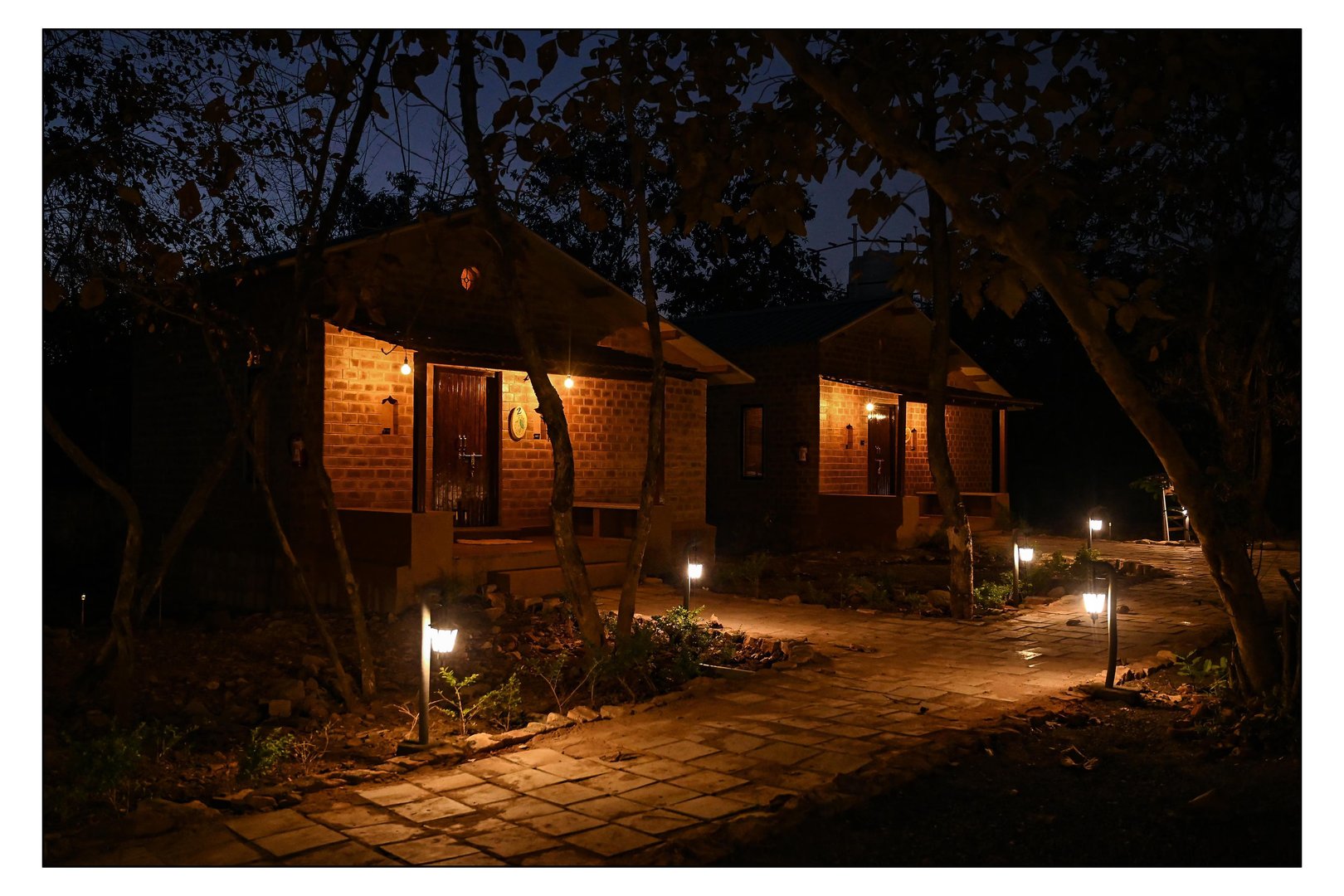
Arrive at Vrruksh Eco Stay and settle into your natural-material cottage. The property itself is a wildlife experience — the grounds are managed to encourage forest birds, butterflies, and small mammals, and the resident naturalist team offers an immediate orientation to the landscape. After lunch served with organic, locally sourced ingredients, head out for your first afternoon safari. July safaris in this region are conducted in the accessible buffer and peripheral zones, and the experience of a monsoon forest is entirely different from the winter one — the density of greenery, the quality of light, and the sounds create a sensory experience of tremendous richness.
Check In
02:00 PM
Check Out
11:00 AM
Standard Room
1 Room
Transportation details to be confirmed
Day 2
Full Day Safaris — Monsoon Forest Immersion
Day 3
Nature Walk & Evening Safari
Day 4
Final Morning Safari & Departure
What's inside the package?
Inclusions
- • Accommodation at the specified resort/lodge
- • All meals included (Lunch & Dinner on arrival day; Breakfast, Lunch & Dinner from Day 2 onwards)
- • Private 6-seater gypsy for each jungle safari
- • Internal transfers for safaris (Resort to Safari Gate and back)
- • Expert naturalist/guide accompanying every safari
- • All applicable forest/park entry permits and fees
- • Welcome drink on arrival
- • Evening bonfire (subject to weather conditions and resort policy)
- • All applicable taxes as per current regulations (if applicable)
Exclusions
- ✕• Train/Airplane tickets to and from the destination
- ✕• Pick-up and drop charges from any railway station or airport
- ✕• First day breakfast (Day 1 arrival)
- ✕• Any travel beyond the scheduled pick-up and drop points
- ✕• Personal expenses such as laundry, tips, telephone calls, beverages, etc.
- ✕• Travel insurance and medical expenses
- ✕• Optional paid activities not mentioned under the inclusions
- ✕• Anything not explicitly mentioned under "Inclusions"
- ✕• Mobile phones are strictly not permitted inside the park during safaris; guests are advised to keep cameras ready instead
- ✕• Once booked, no amendments to names, travel dates, or passenger replacements will be permitted
- ✕• Original government-issued photo ID proof is mandatory for all guests and must be carried throughout the trip
- ✕• Any expenses arising due to unforeseen circumstances such as natural calamities, roadblocks, strikes, or government regulations shall be borne by the guest directly.
Best Time to Visit
Vrruksh's region is at its most dramatically beautiful during the monsoon (July–September), when the forest transforms into a vivid, layered landscape unlike anything seen in the dry season. This period suits experienced wildlife travellers who appreciate flora, birds, and smaller wildlife alongside the possibility of large mammal sightings. October–February brings the classic dry-season safari experience with excellent visibility and reliable big-cat sightings. March–June provides peak wildlife activity. Vrruksh is uniquely positioned to offer a genuine monsoon wildlife experience — an increasingly sought-after niche in Indian nature tourism.
What to Pack
Quick-dry synthetic clothing — cotton stays wet for hours in monsoon humidity | Quality waterproof rain jacket (essential — July is full monsoon) | Waterproof trekking shoes or rubber-soled boots with ankle support | Sealed waterproof bags for cameras, phones, and passports | Lightweight binoculars with waterproof coating for bird and wildlife observation | Compact telephoto camera lens with lens cloth and sealed bag | Strong DEET-based insect repellent — monsoon season sees peak insect activity | Antimalarial medication (consult your doctor before travel to any monsoon forest region) | Reusable water bottle and water purification tablets as backup | Small waterproof daypack for safari essentials | Personal medications and comprehensive first-aid kit including blister treatment
Trip Blog & Guide
Pench Monsoon Wildlife Safari – 4D/3N: Experience the Forest at Vrruksh Eco Stay
Most wildlife safaris are associated with dry forests, dusty trails and the possibility of spotting big cats around shrinking waterholes. But there is another side to India's forests that is very different — the monsoon forest.
The Pench Monsoon Wildlife Safari – 4D/3N offers travellers an opportunity to experience Central India's forests during one of their most dramatic transformations.
Based around Vrruksh Eco Stay, this itinerary combines three nights of accommodation with four safari experiences, expert naturalist guidance, nature activities and an eco-conscious approach to wildlife tourism.
During July, the forest becomes intensely green. Seasonal streams begin flowing, waterfalls appear, bird activity changes and the soundscape fills with frogs, insects and rain-loving birds.
This is not simply a tiger-focused trip. It is an opportunity to experience the entire forest ecosystem during the monsoon.
Pench Monsoon Safari Highlights
The 4-day wildlife itinerary includes:
3 nights at Vrruksh Eco Stay
Four jungle safari experiences
Afternoon safari on arrival day
Full-day safari experience
Nature walk and evening safari
Final morning safari
Private 6-seater Gypsy for each jungle safari
Expert naturalist or wildlife guide
Internal transfers between the resort and safari gate
Applicable forest and park permits
Welcome drink
Evening bonfire, subject to weather conditions and resort policy
All meals from the arrival-day lunch and dinner onwards
Why Experience Pench During the Monsoon?
The monsoon completely transforms Central India's landscape.
The dry and dusty appearance of the summer forest gives way to a deep green environment filled with vegetation.
Seasonal streams begin flowing again, waterfalls appear across the landscape and the forest becomes alive with insects, frogs and birds.
For experienced wildlife travellers, this provides an entirely different safari experience.
Instead of focusing exclusively on tiger sightings, monsoon travel encourages visitors to appreciate:
Forest vegetation
Birds
Butterflies
Amphibians
Seasonal streams
Waterfalls
Smaller mammals
Changing forest landscapes
The itinerary specifically positions July as a time for experiencing the forest as a more intimate and sensory environment.
Stay at Vrruksh Eco Stay
At the heart of this itinerary is Vrruksh Eco Stay, an eco-conscious wildlife property designed around the idea that accommodation should form part of the natural environment rather than operate separately from it.
The property uses natural materials and emphasizes low-impact operations, zero-waste practices and community conservation.
Its setting within the Central Indian forest landscape allows guests to experience nature even when they are not on safari.
The property grounds are managed to encourage forest birds, butterflies and smaller wildlife, while the resident naturalist team provides an introduction to the surrounding ecosystem.
Day 1: Arrival at Vrruksh & Forest Orientation
Your wildlife escape begins with your arrival at Vrruksh Eco Stay.
After checking into your natural-material cottage, you can settle into the property and experience its forest surroundings.
Unlike a conventional hotel, the lodge itself is designed as part of the wildlife experience.
The grounds encourage birds, butterflies and small mammals, creating opportunities for nature observation even before you enter the forest.
After lunch, meet the resident naturalist team for an orientation to the landscape.
This introduction helps you understand the surrounding ecosystem and what makes the monsoon season particularly special.
Afternoon Safari
Later in the day, head out for your first safari.
During July, safari access in the region focuses on accessible buffer and peripheral areas where entry remains operational.
The experience is very different from a winter safari.
Dense vegetation, soft monsoon light, wet forest trails and the sounds of frogs and insects create a completely different atmosphere.
Rather than simply looking for large mammals, take time to observe the forest itself.
Look for birds moving through the canopy, butterflies along clearings and signs of wildlife activity around water.
Return to Vrruksh Eco Stay after the safari and enjoy your evening at the property.
Overnight stay: Vrruksh Eco Stay.
Day 2: Full-Day Monsoon Forest Safari Experience
Day two is dedicated to experiencing the forest in greater depth.
A full-day safari experience allows you to spend extended time surrounded by the monsoon landscape.
The forest during this period can appear almost completely transformed.
Teak, sal and bamboo vegetation create layers of green across the landscape, while seasonal streams bring water back into areas that may be dry during other parts of the year.
The sounds of the forest become particularly important.
Frogs, insects and birds create a constant natural soundtrack, while rain can dramatically change the appearance of the landscape.
Your naturalist can help you identify different species and explain how animals adapt to the monsoon environment.
This is an excellent day for travellers interested in birdwatching, nature photography and ecological experiences, as well as those hoping to encounter larger mammals.
Return to Vrruksh Eco Stay after the day's forest experience.
Overnight stay: Vrruksh Eco Stay.
Day 3: Nature Walk & Evening Safari
Day three combines a slower-paced nature experience with another opportunity to explore the forest.
Nature Walk
Begin with a guided nature walk around the property and surrounding landscape.
A nature walk allows you to appreciate details that can easily be missed from a safari vehicle.
You may notice:
Forest plants
Butterflies
Bird calls
Insects
Animal tracks
Small mammals
Seasonal vegetation
The monsoon is particularly interesting for nature walks because the forest becomes active with smaller forms of life.
Evening Safari
Later, head out for your evening safari.
The changing light of the late afternoon creates a beautiful atmosphere across the wet forest.
As temperatures begin to fall, wildlife activity can change again.
Your naturalist can help interpret alarm calls, tracks and other signs that indicate movement through the forest.
Return to Vrruksh Eco Stay after the safari.
Overnight stay: Vrruksh Eco Stay.
Day 4: Final Morning Safari & Departure
Your final morning begins with one last safari.
The early hours offer a peaceful opportunity to experience the forest before beginning your journey home.
Morning light filtering through the dense vegetation can create excellent conditions for photography.
This final safari is also an opportunity to revisit the landscapes you experienced earlier in the trip and notice how much the forest can change with weather and light.
After returning to the property, enjoy breakfast before checking out.
Your 4-day Pench monsoon wildlife experience comes to an end.
Four Safari Experiences Across Four Days
The itinerary is built around four distinct wildlife experiences:
Day 1
Afternoon safari
Day 2
Full-day safari experience
Day 3
Evening safari
Day 4
Final morning safari
This structure provides multiple opportunities to experience the forest under different conditions.
Because wildlife follows its own patterns, no safari can guarantee a particular animal sighting.
Instead, the itinerary focuses on experiencing the forest as a complete ecosystem.
The Monsoon Forest Experience
The biggest attraction of this itinerary is its focus on monsoon wildlife tourism.
During July and the wider monsoon season, Central India's forest landscape changes dramatically.
The forest becomes:
Denser
Greener
Wetter
More active
Richer in insects and amphibians
Filled with seasonal streams
Waterfalls can appear where dry streambeds existed only weeks earlier.
The soundscape also changes dramatically as frogs, insects and rain-loving birds become more active.
For travellers who have already experienced dry-season safaris, the monsoon provides an opportunity to see the forest from an entirely different perspective.
Best Time to Visit Pench for Wildlife
The best time depends heavily on what type of experience you are looking for.
July to September – Monsoon Wildlife
July through September is the defining season for this itinerary.
The forest becomes exceptionally green and the landscape develops a completely different character.
This period is particularly suited to travellers who appreciate:
Birds
Flora
Butterflies
Smaller wildlife
Photography
Forest landscapes
Nature walks
Monsoon experiences
The itinerary specifically describes this as a niche experience for experienced wildlife travellers who want to experience the forest beyond traditional tiger-focused tourism.
October to February – Dry Season
October through February brings a more traditional safari experience.
Visibility generally improves as vegetation becomes less dense, making it easier to observe larger mammals.
This period is suitable for travellers looking for comfortable weather and classic wildlife viewing.
March to June – Peak Wildlife Activity
March through June can provide excellent opportunities for wildlife sightings.
As temperatures increase and water becomes more limited, animal activity can become concentrated around remaining water sources.
Travellers visiting during this period should be prepared for significantly warmer temperatures.
What to Pack for a Pench Monsoon Safari
Monsoon travel requires a very different packing list from a typical winter safari.
Waterproof Clothing
Carry:
Quick-dry synthetic clothing
Waterproof rain jacket
Rain poncho
Waterproof trekking shoes
Rubber-soled boots with ankle support
Cotton clothing can remain wet for long periods in monsoon humidity, so quick-drying materials are preferable.
Protect Your Camera & Electronics
Rain can arrive suddenly, so protect:
Cameras
Lenses
Mobile devices
Passports
Power banks
Other electronics
Use sealed waterproof bags or dry bags for important equipment.
A waterproof camera cover is also useful.
Wildlife Observation
For birdwatching and wildlife observation, consider carrying:
Lightweight binoculars
Waterproof binocular protection
Compact telephoto lens
Lens-cleaning cloth
Waterproof camera bag
The monsoon is particularly rewarding for bird and smaller-wildlife observation.
Insect Protection
Monsoon conditions can result in increased insect activity.
Carry a strong insect repellent and appropriate protective clothing.
The itinerary recommends consulting a doctor regarding antimalarial medication before travelling to a monsoon forest region.
Other Essentials
Also pack:
Reusable water bottle
Water purification tablets as backup
Waterproof daypack
Personal medications
Comprehensive first-aid kit
Blister treatment
Responsible Wildlife Tourism at Pench
A wildlife trip should leave the smallest possible impact on the environment.
When visiting Pench, travellers should:
Follow the naturalist's instructions
Avoid loud conversations
Never feed wildlife
Maintain a safe distance from animals
Avoid littering
Respect forest regulations
Avoid disturbing birds and animals
Use reusable bottles where possible
The philosophy behind Vrruksh Eco Stay places particular emphasis on low-impact tourism, zero-waste operations and community conservation.
Important Safari Guidelines
Travellers should be aware of the rules associated with protected-area safaris.
The itinerary specifically states that mobile phones are not permitted inside the park during safaris and recommends keeping cameras ready instead.
An original government-issued photo ID is mandatory for all guests and should be carried throughout the trip.
Travellers should also understand that unforeseen circumstances such as natural calamities, roadblocks, strikes or changes in government regulations can affect travel arrangements.
What's Included in the Pench Monsoon Safari Package?
The itinerary includes:
3 nights accommodation at the specified eco-stay
Lunch and dinner on the arrival day
Breakfast, lunch and dinner from Day 2 onwards
Private 6-seater Gypsy for each jungle safari
Internal transfers between the resort and safari gate
Expert naturalist or guide
Applicable forest and park entry permits
Welcome drink
Evening bonfire, subject to weather and resort policy
Applicable taxes as per current regulations where applicable
What Is Not Included?
The following are excluded from the standard itinerary:
Train tickets
Flight tickets
Airport or railway-station pickup and drop
First-day breakfast
Travel beyond scheduled pickup and drop points
Laundry
Telephone calls
Beverages
Tips
Travel insurance
Medical expenses
Optional paid activities
Services not specifically mentioned in the inclusions
Expenses caused by unforeseen circumstances such as natural calamities, roadblocks, strikes or government regulations
Pench Monsoon Safari for Couples
For couples who prefer nature and quiet escapes over crowded tourist destinations, a monsoon safari can be a memorable experience.
The lush forest, eco-conscious accommodation, guided nature walks and evening atmosphere at the property create opportunities to slow down and enjoy the surroundings.
Couples can also customize aspects of the experience, including meal preferences, room categories, safari timing and optional nature activities.
Pench Monsoon Safari for Families
A forest holiday can also be an excellent educational experience for families.
Children can learn about:
Forest ecosystems
Birds
Insects
Plants
Wildlife behaviour
Conservation
The monsoon is especially interesting because there is so much activity beyond large mammals.
Families should, however, consider the age and comfort of children when planning extended safari experiences during wet weather.
Pench for Birdwatchers & Nature Photographers
This itinerary is particularly well suited to travellers interested in birds and smaller wildlife.
The monsoon brings increased activity among frogs, insects and rain-loving bird species, while the lush landscape provides a visually dramatic backdrop for photography.
Birdwatchers should carry lightweight binoculars and a waterproof field notebook or digital alternative.
Photographers should protect their equipment carefully from rain and humidity.
The goal should always be to observe wildlife without disturbing it.
Why Choose This Pench 4D/3N Itinerary?
The Pench Monsoon Wildlife Safari – 4D/3N is different from a conventional tiger-safari package.
Its focus is not simply on maximizing big-cat sightings.
Instead, the itinerary is designed around forest immersion.
The journey follows a simple structure:
Arrival & Orientation → Afternoon Safari → Full-Day Forest Experience → Nature Walk & Evening Safari → Final Morning Safari → Departure
With four safari experiences, a dedicated naturalist, an eco-conscious stay and a strong focus on monsoon biodiversity, this itinerary is ideal for travellers who want to experience Central India's forests in a less conventional way.
Plan Your Pench Monsoon Wildlife Escape with TripGullak
The monsoon reveals a side of India's forests that many travellers never experience.
Dry landscapes become intensely green. Seasonal streams return. Waterfalls appear. Birds become more active. Frogs and insects fill the forest with sound.
The Pench Monsoon Wildlife Safari – 4D/3N brings travellers into this transformed landscape through four safari experiences, guided nature activities and a stay at Vrruksh Eco Stay.
If you are looking for something beyond a traditional tiger safari, this itinerary offers an opportunity to experience the forest as a living, breathing ecosystem.
Save for the trip. Plan the safari. Experience the forest.
Frequently Asked Questions
Share Your Experience
Your feedback helps us improve our itineraries. Reviews are moderated before being published.
Choose Hotel Category
Hotels shown in the itinerary will update based on your selection.