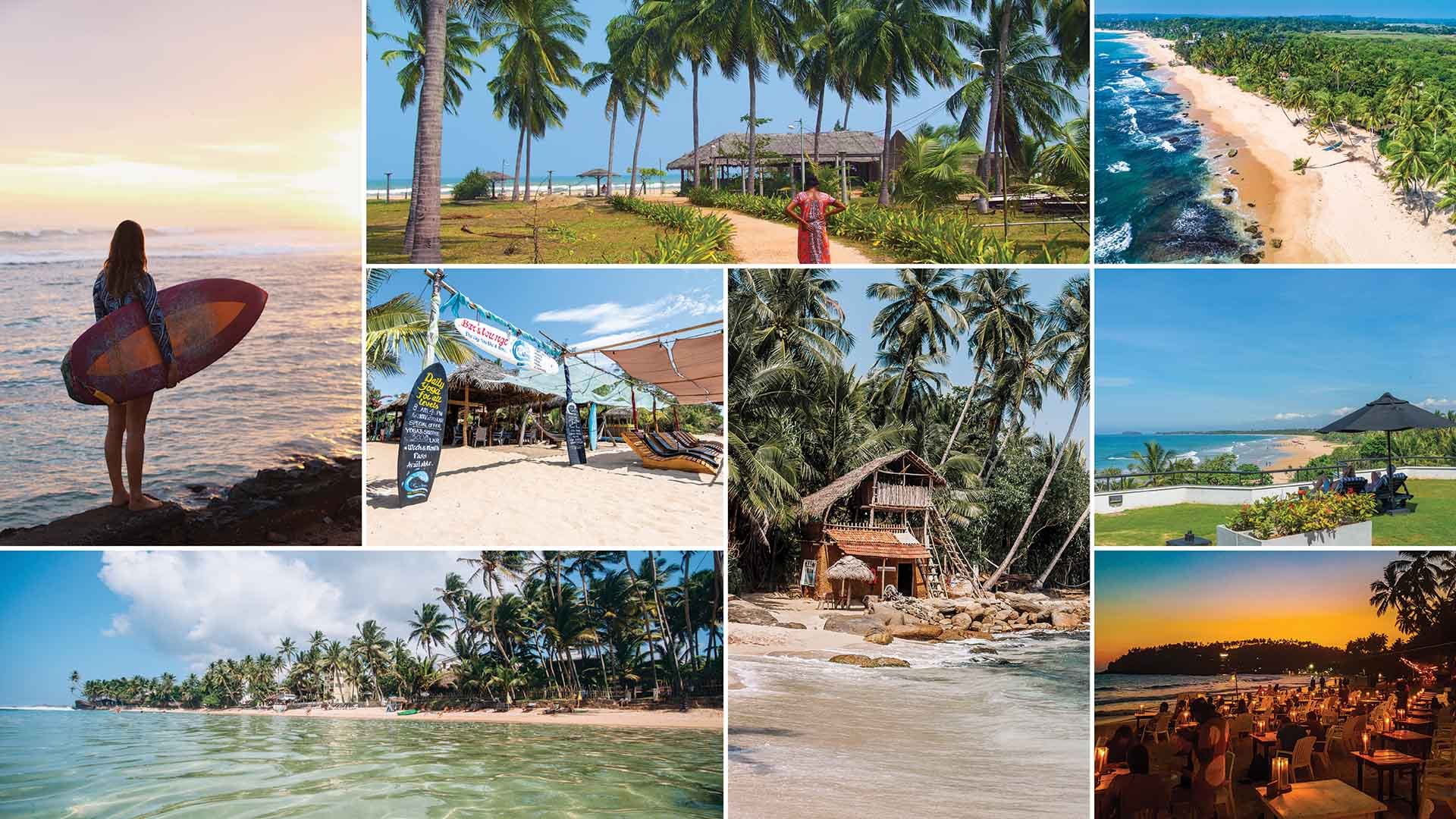
The Sacred North & East Circuit
Hindu Pilgrimage, Ancient Cities & Coastal Discovery — 6 Nights / 7 Days. Tripgullak's signature pilgrimage route tracing Sri Lanka's sacred Hindu and Buddhist heartlands from north-west through Jaffna, east coast, Kandy, and deep south.
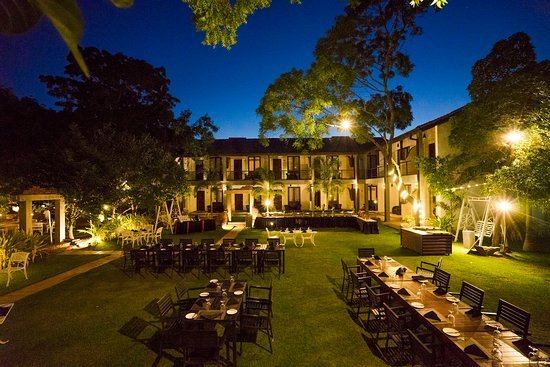
1 day in
Anuradhapura
Day 1
Arrival · Chilaw Temples · Anuradhapura
Airport pickup, north through coconut triangle to Chilaw — Munneswaram Temple (one of 5 great Shiva temples, intricate gopuram sculpture) and Manavari Temple (sacred lingam, inner sanctum), drive to Anuradhapura UNESCO ancient city — Sri Maha Bodhi Tree (one of world's most sacred trees, 2,300+ years old), Ruwanwelisaya stupa, Jetavanaramaya, Abhayagiri complex, overnight Anuradhapura.
Check In
02:00 PM
Check Out
11:00 AM
Standard Room
1 Room
Transportation details to be confirmed
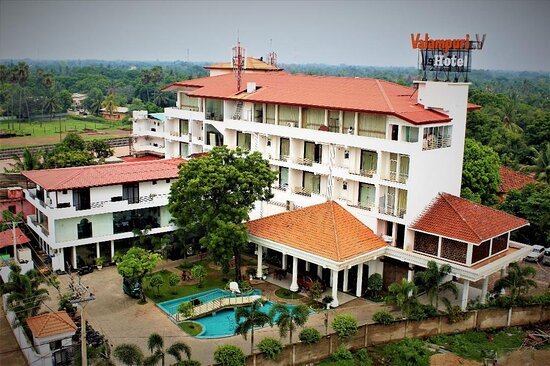
1 day in
Jaffna
Day 2
Anuradhapura to Jaffna via Mannar & Thirukethiswaram
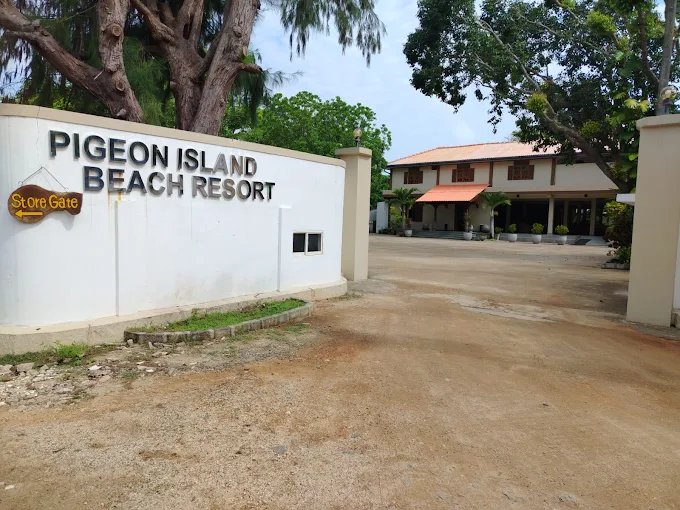
1 day in
Trincomalee
Day 3
Jaffna Temples · Trincomalee: Koneswaram & Hot Springs
1 day in
Kandy
Day 4
Trincomalee to Kandy via Dambulla Cave Temple
1 day in
Nuwara Eliya
Day 5
Kandy to Kataragama via Nuwara Eliya
2 days in
Colombo
Day 6
Kataragama · Galle · Colombo
Day 7
Colombo · Departure
What's inside the package?
Inclusions
- Accommodation on Half-Board (HB) basis including breakfast and dinner at specified or similar hotels
- 1 Nights Stay in Anuradhapura
- 1 Night Stay in Jaffna
- 1 Nights Stay in Trincomalee
- 1 Night Stay in Kandy
- 1 Night Nuwara Eliya
- 1 Night Stay in Colombo
- Meet & greet at the airport by English-speaking chauffeur guide (up to 8 pax) or national guide (9+ pax)
- All transfers and transportation in a private air-conditioned vehicle throughout
- All sightseeing tours as per the programme
- Services of a professional English-speaking driver/guide throughout the trip
- VAT as applicable in Sri Lanka (if applicable)
Exclusions
- ✕International airfares and visa fees
- ✕Lunches during the tour
- ✕Entry fees and activity charges at sightseeing locations
- ✕Early check-in or late check-out fees
- ✕Camera and video permits at certain sites
- ✕Compulsory Christmas and New Year Gala dinner supplements
- ✕Any personal expenses — laundry telephone calls mini-bar etc
- ✕Travel insurance
- ✕Tips and porterage
Best Time to Visit
November through April is the golden window — clear skies, calm seas, brightest tea estates. December-January: peak season with spectacular weather. May-October: lush landscapes, better prices, some afternoon showers on the south-west coast. Cultural Triangle accessible year-round. North-East monsoon (Oct-Jan) affects Trincomalee and Cultural Triangle region.
What to Pack
Lightweight breathable clothing (cotton/linen) + warm fleece for highlands (10-14°C at night) | Modest temple attire (cover shoulders & knees) + sarong/shawl | Comfortable walking shoes + reef-friendly flip-flops | SPF 50+ sunscreen + insect repellent | Universal adapter (Type D/G, 230V) + small dry-bag | USD cash or international card + reusable water bottle + extra phone/camera storage
Trip Blog & Guide
Sri Lanka Pilgrimage Itinerary 7 Days: Sacred Temples, Ancient Cities & Coastal Wonders
Sri Lanka is a destination where spirituality, ancient history, natural beauty and coastal landscapes come together across a remarkably diverse island.
For travelers interested in Hindu pilgrimage, Buddhist heritage and ancient sacred sites, Sri Lanka offers a journey unlike a conventional beach holiday.
The Sacred North & East Circuit from TripGullak follows a unique route through some of the country's most important spiritual and historical destinations.
Over 7 days and 6 nights, the journey travels from the northwestern temple region through Anuradhapura, Jaffna and Trincomalee, continues through the cultural heart of Kandy, crosses the misty highlands of Nuwara Eliya, and finishes through Kataragama, Galle and Colombo.
The route combines sacred temples, ancient cities, pilgrimage sites, cultural landmarks, mountain scenery and coastal landscapes.
Sri Lanka 7-Day Pilgrimage Itinerary at a Glance
Duration: 7 Days / 6 Nights
Route: Colombo Airport → Chilaw → Anuradhapura → Jaffna → Trincomalee → Kandy → Nuwara Eliya → Kataragama → Galle → Colombo
Best for: Hindu pilgrims, spiritual travelers, families, cultural explorers and heritage enthusiasts
Day-by-Day Route
Day 1: Arrival → Chilaw Temples → Anuradhapura
Day 2: Anuradhapura → Mannar → Thirukethiswaram → Jaffna
Day 3: Jaffna Temples → Trincomalee → Koneswaram Temple & Hot Springs
Day 4: Trincomalee → Dambulla Cave Temple → Kandy
Day 5: Kandy → Nuwara Eliya → Kataragama
Day 6: Kataragama → Galle → Colombo
Day 7: Colombo → Departure
The itinerary includes one night each in Anuradhapura, Jaffna, Trincomalee, Kandy and Nuwara Eliya, plus one night in Colombo, with half-board accommodation, private transportation and sightseeing according to the program.
Day 1: Arrival in Sri Lanka, Chilaw Temples and Anuradhapura
Your sacred Sri Lanka journey begins when you arrive at Colombo's international airport.
After meeting your English-speaking chauffeur guide, you'll travel north through the Coconut Triangle toward the ancient city of Anuradhapura.
The first day introduces you to the spiritual character of the journey through important Hindu temples in Chilaw.
Munneswaram Temple
Your first major spiritual stop is Munneswaram Temple, one of Sri Lanka's important Hindu temples and traditionally counted among the island's five great Shiva temples.
The temple complex is known for its elaborate gopuram and intricate religious architecture.
For Hindu pilgrims, Munneswaram provides an important beginning to the sacred journey.
Manavari Temple
Continue to Manavari Temple, another important Hindu pilgrimage site.
The temple is associated with a sacred Shiva lingam and provides another opportunity for pilgrims to experience Sri Lanka's Ramayana-related spiritual heritage.
The peaceful temple environment creates a meaningful transition into the more ancient landscapes of northern Sri Lanka.
Arrival in Anuradhapura
Continue toward Anuradhapura, one of Sri Lanka's most important ancient cities.
The city was one of the great centers of Buddhist civilization and remains an important pilgrimage destination.
Sri Maha Bodhi
One of the most significant sites in Anuradhapura is the Sri Maha Bodhi Tree.
The sacred tree is traditionally regarded as having been grown from a sapling of the original Bodhi tree associated with Buddha's enlightenment.
With a history extending more than two millennia, the tree remains one of Sri Lanka's most revered Buddhist sites.
Ruwanwelisaya Stupa
Continue to Ruwanwelisaya, one of the most recognizable stupas in Sri Lanka.
Its enormous white dome and surrounding Buddhist architecture create an impressive spiritual atmosphere.
Jetavanaramaya and Abhayagiri
The day's exploration continues through the ancient monastic complexes of Jetavanaramaya and Abhayagiri.
These sites provide a glimpse into the scale and sophistication of ancient Anuradhapura.
After completing the day's pilgrimage and sightseeing, check into your hotel.
Overnight: Anuradhapura
Day 2: Anuradhapura to Jaffna via Mannar and Thirukethiswaram
Day two takes you farther north toward Jaffna, one of Sri Lanka's most culturally distinctive regions.
The journey passes through Mannar and includes another major pilgrimage stop at Thirukethiswaram.
Journey Through Northern Sri Lanka
Northern Sri Lanka has a character distinct from the island's central and southern regions.
The landscape becomes flatter and more open, while Tamil cultural influences become increasingly prominent.
The journey provides an opportunity to experience a side of Sri Lanka that many conventional tourist itineraries do not cover.
Thirukethiswaram Temple
One of the day's major highlights is Thirukethiswaram Temple.
The temple is one of the most important Shiva temples in Sri Lanka and is traditionally associated with the island's sacred pilgrimage circuit.
Its location near Mannar makes it a significant stop for travelers following Hindu pilgrimage routes.
The temple's history and religious importance make it one of the most meaningful experiences of the northern portion of the journey.
Arrival in Jaffna
Continue toward Jaffna, the cultural capital of Sri Lanka's Tamil north.
Jaffna has a distinctive identity shaped by Tamil traditions, Hindu temples, colonial influences and northern Sri Lankan history.
After checking into your hotel, enjoy the evening and prepare for the following day's temple exploration.
Overnight: Jaffna
Day 3: Jaffna Temples, Trincomalee and Koneswaram
Day three combines Jaffna's Hindu heritage with the sacred coastal landscapes of Trincomalee.
Jaffna's Hindu Heritage
Jaffna is one of Sri Lanka's most important regions for Hindu culture.
The city and surrounding areas contain numerous temples with distinctive Dravidian architecture, colorful gopurams and active religious traditions.
The itinerary provides time to experience Jaffna's temple heritage before continuing toward the east coast.
Journey to Trincomalee
Continue from Jaffna toward Trincomalee, one of Sri Lanka's most beautiful coastal cities.
Trincomalee combines natural beauty with major Hindu and Buddhist sites.
Koneswaram Temple
The major spiritual highlight is Koneswaram Temple, one of Sri Lanka's most important Hindu temples.
The temple is dramatically positioned on Swami Rock, overlooking the Indian Ocean.
Its location combines spiritual significance with spectacular coastal scenery.
The temple is traditionally counted among Sri Lanka's great Shiva temples and is closely associated with Hindu pilgrimage traditions.
For travelers following a sacred Sri Lanka itinerary, Koneswaram is one of the defining experiences of the entire journey.
Trincomalee Hot Springs
The day also includes a visit to the Trincomalee hot springs.
The natural springs provide a relaxing experience after a day of temple visits and long-distance travel.
The combination of spirituality, coastal scenery and natural attractions makes Trincomalee a distinctive stop on the route.
Overnight: Trincomalee
Day 4: Trincomalee to Kandy via Dambulla
Day four takes you from Sri Lanka's east coast toward the cultural center of Kandy.
Along the way, you'll visit another major religious and historical landmark.
Dambulla Cave Temple
The Dambulla Cave Temple is one of Sri Lanka's most important Buddhist heritage sites.
The complex consists of a series of caves containing Buddhist statues, paintings and religious artwork.
The cave interiors feature centuries-old artistic traditions and provide an impressive insight into Sri Lanka's Buddhist heritage.
The contrast between Dambulla and the Hindu temples visited earlier in the journey highlights Sri Lanka's diverse religious landscape.
Continue to Kandy
After exploring Dambulla, continue toward Kandy.
The road gradually enters the central highlands, where the landscape becomes greener and more mountainous.
Kandy is surrounded by hills and forests and serves as one of the country's major cultural centers.
After checking into your hotel, enjoy a relaxed evening.
Overnight: Kandy
Day 5: Kandy to Nuwara Eliya and Kataragama
Day five is one of the most scenic sections of the itinerary.
The route travels through Sri Lanka's central highlands before continuing toward the sacred southern town of Kataragama.
Kandy
Begin the day by experiencing Kandy's cultural environment.
The city is home to the Temple of the Sacred Tooth Relic, one of the most important Buddhist pilgrimage sites in Sri Lanka.
Even though the itinerary focuses strongly on Hindu pilgrimage, Kandy demonstrates how Hindu and Buddhist heritage coexist across the island.
Journey Through Tea Country
Continue toward Nuwara Eliya, traveling through Sri Lanka's famous tea-growing region.
The mountains are covered in vibrant green tea estates, creating some of the most recognizable scenery in the country.
The cool climate is dramatically different from the tropical north and east.
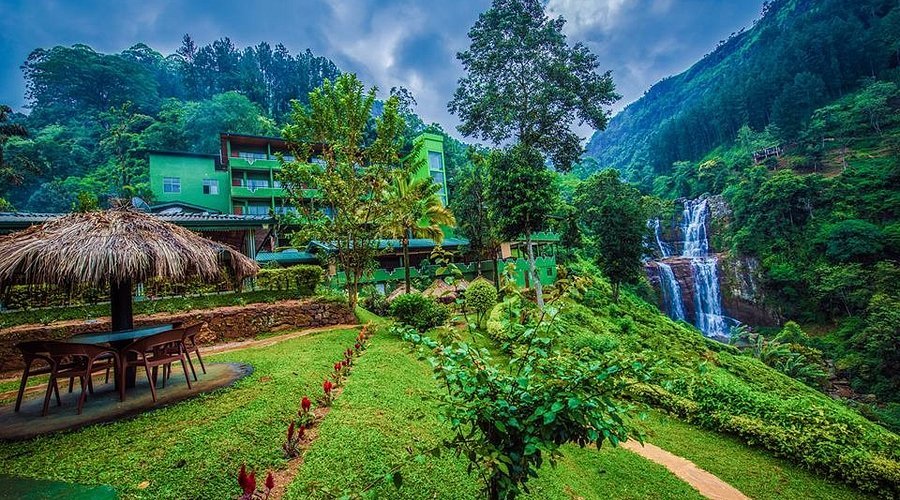
Nuwara Eliya
Often called "Little England," Nuwara Eliya is known for its cool weather, colonial architecture, gardens and tea plantations.
The highland scenery provides a peaceful break during the pilgrimage journey.
The itinerary includes an overnight stay in Nuwara Eliya before continuing south.
Overnight: Nuwara Eliya
Day 6: Kataragama, Galle and Colombo
Day six takes the journey toward southern Sri Lanka.
The route combines spiritual heritage, coastal scenery and colonial history.
Kataragama
Kataragama is one of Sri Lanka's most important pilgrimage destinations.
The sacred town is significant to multiple religious traditions and is especially associated with Lord Murugan, making it an important destination for Hindu pilgrims.
The Kataragama pilgrimage experience adds another major spiritual dimension to the journey.
Journey Toward Galle
Continue toward the southern coast and Galle.
The scenery changes from the central highlands to tropical coastal landscapes.
Galle Fort
One of the most important attractions in Galle is Galle Fort, a historic fortified city overlooking the Indian Ocean.
The fort reflects Sri Lanka's Portuguese and Dutch colonial history and contains old streets, buildings, churches, shops and cafés.
The experience provides a fascinating contrast to the temples and pilgrimage sites visited throughout the journey.
Continue to Colombo
After exploring Galle, continue toward Colombo, Sri Lanka's commercial capital.
Check into your hotel and enjoy your final evening.
Overnight: Colombo
Day 7: Colombo and Departure
Your sacred Sri Lanka journey comes to an end on Day 7.
After breakfast and hotel check-out, you'll continue toward the airport for your onward journey.
Depending on your flight schedule, you may have some additional time to explore Colombo.
After seven days, the journey will have taken you through Sri Lanka's northern, eastern, central and southern regions.
From ancient Anuradhapura and Jaffna's Hindu temples to Koneswaram, Kandy, Nuwara Eliya and Kataragama, the itinerary provides a remarkably diverse spiritual and cultural experience.
The Hindu Pilgrimage Heritage of Sri Lanka
Sri Lanka has a deep and fascinating Hindu heritage.
This itinerary connects several important sacred sites across the island, creating a route that is particularly meaningful for Hindu pilgrims.
Major Hindu pilgrimage destinations included in the journey are:
Munneswaram Temple
Manavari Temple
Thirukethiswaram Temple
Jaffna temples
Koneswaram Temple
Kataragama
Each destination contributes a different chapter to Sri Lanka's religious history.
Munneswaram and Manavari: The Sacred Beginning
The journey begins with two important Hindu temples near Chilaw.
Munneswaram Temple is dedicated primarily to Lord Shiva and is known for its elaborate temple architecture.
Manavari Temple is associated with a sacred Shiva lingam and Ramayana traditions.
Together, they establish the Hindu pilgrimage character of the journey from the very first day.
Jaffna: The Heart of Tamil Hindu Culture
Jaffna provides an important cultural dimension to the itinerary.
The region has a strong Tamil identity and is home to numerous Hindu temples.
Colorful gopurams, traditional rituals and Dravidian-style architecture make Jaffna particularly fascinating for pilgrims and cultural travelers.
The northern region also provides an opportunity to understand Sri Lanka beyond the more frequently visited tourist destinations.
Koneswaram Temple: Sacred Temple by the Sea
Koneswaram Temple is one of the defining highlights of the route.
Its dramatic location above the Indian Ocean makes the temple unique even among Sri Lanka's many sacred sites.
The combination of:
Hindu pilgrimage
Shiva worship
Ocean views
Ancient traditions
Cliffside scenery
creates an unforgettable spiritual experience.
Kataragama: A Major Multi-Faith Pilgrimage Destination
Kataragama is one of Sri Lanka's most important pilgrimage towns.
The destination has significance across different religious traditions and is particularly important to devotees of Lord Murugan.
Including Kataragama toward the end of the route provides a fitting conclusion to the spiritual journey before continuing toward Galle and Colombo.
Buddhist Heritage Along the Sacred Circuit
The itinerary isn't limited to Hindu pilgrimage.
It also passes through several of Sri Lanka's most important Buddhist heritage sites.
These include:
Sri Maha Bodhi
Ruwanwelisaya
Jetavanaramaya
Abhayagiri
Dambulla Cave Temple
Temple of the Sacred Tooth Relic in Kandy
This combination makes the route particularly valuable for travelers interested in Sri Lanka's broader religious history.
Best Time for a Sri Lanka Pilgrimage Tour
The itinerary page identifies November through April as the golden travel window, with clearer skies and generally favorable conditions across much of the route.
However, this itinerary crosses several climate zones, so regional weather differences are important.
November to April
This period generally provides favorable conditions for traveling through the south and central highlands.
It can also be a good period for long road journeys and sightseeing.
December and January
These months fall within peak travel season.
The weather can be particularly pleasant, although demand for accommodation can be higher.
May to September
The landscape can be lush and green during these months.
The northern and eastern parts of the island can offer different weather conditions from the southwest coast, making regional planning important.
October to January
The northeast monsoon can affect Trincomalee and parts of the Cultural Triangle during this period.
Travelers planning temple visits and coastal sightseeing should consider regional forecasts when selecting dates.
What to Pack for a Sri Lanka Pilgrimage
A pilgrimage itinerary requires a combination of comfortable travel clothing and appropriate temple attire.
Temple Clothing
Modest clothing is essential.
Pack:
Clothes covering shoulders
Trousers or clothing covering the knees
Lightweight shawl
Sarong
Comfortable socks
A shawl or sarong can be particularly useful when visiting multiple temples during the same day.
Highland Clothing
Nuwara Eliya can be considerably cooler than the northern and coastal regions.
Pack:
Warm fleece
Light jacket
Long trousers
Comfortable layers
Nighttime temperatures in the highlands can reach around 10–14°C.
Walking and Temple Essentials
Comfortable walking shoes
Reef-friendly flip-flops
SPF 50+ sunscreen
Insect repellent
Reusable water bottle
Small dry bag
Universal adapter
Power bank
Extra phone/camera storage
Travel Documents and Money
Carry:
Passport
Visa documentation
Travel insurance
Hotel confirmations
Some USD or local currency
International payment card
Sri Lanka Pilgrimage Travel Tips
Dress Appropriately
Religious sites throughout Sri Lanka have their own customs.
Cover shoulders and knees and follow instructions from temple staff.
Remove Footwear When Required
Many Hindu and Buddhist temples require visitors to remove footwear before entering sacred areas.
Easy-to-remove sandals can be useful during a temple-heavy itinerary.
Respect Religious Rituals
Avoid interrupting ceremonies or photographing people during private religious activities without permission.
Plan for Long Road Journeys
The route covers a large portion of Sri Lanka.
Several days involve significant driving, so comfortable clothing, water and travel snacks can make the journey easier.
Start Early for Major Temples
Early mornings can provide a quieter atmosphere at popular pilgrimage sites.
They can also help avoid the strongest midday heat.
Keep Cash Available
Small temples, local vendors and roadside stops may not accept cards.
Having some local currency available is useful throughout the journey.
What's Included in the Sri Lanka Pilgrimage Package?
The Sacred North & East Circuit includes accommodation on a half-board basis, with breakfast and dinner at specified or similar hotels.
The package includes:
1 night in Anuradhapura
1 night in Jaffna
1 night in Trincomalee
1 night in Kandy
1 night in Nuwara Eliya
1 night in Colombo
Airport meet-and-greet
English-speaking chauffeur guide for groups up to 8 travelers
National guide for larger groups
Private air-conditioned transportation
Transfers throughout the itinerary
Sightseeing according to the program
Professional English-speaking driver/guide
Applicable Sri Lankan VAT where applicable
International airfare, visa fees, lunches, sightseeing entry fees, activity charges, early check-in or late check-out, camera and video permits where applicable, travel insurance, tips, porterage and personal expenses are excluded.
A Spiritual Journey for Families and Pilgrims
The route is particularly suited to families traveling together for pilgrimage.
It combines sacred sites with cultural and scenic experiences, making the journey meaningful for travelers across different age groups.
Families can experience:
Hindu temples
Buddhist heritage sites
Ancient cities
Sacred trees and stupas
Mountain landscapes
Coastal scenery
Colonial heritage
The diverse route also provides opportunities to rest between major pilgrimage stops.
The Sacred North and East Circuit
The biggest strength of this itinerary is its geographic and spiritual diversity.
The route travels through:
Chilaw → Anuradhapura → Mannar → Jaffna → Trincomalee → Dambulla → Kandy → Nuwara Eliya → Kataragama → Galle → Colombo
It brings together:
Hinduism → Buddhism → Ancient Cities → Mountains → Coastal Heritage → Modern Sri Lanka
Few short Sri Lanka itineraries cover such a broad range of religious and cultural experiences.
Extending Your Sri Lanka Pilgrimage
Travelers with additional time can extend the pilgrimage route with destinations such as:
Rameswaram in India
Ella
Sigiriya
Nuwara Eliya
Galle
Colombo
Kandy
Additional time in Jaffna can also allow travelers to explore more of northern Sri Lanka's Hindu temples and Tamil cultural heritage.
Those interested in Buddhist pilgrimage can extend the journey around the Cultural Triangle and Kandy.
Sacred Sri Lanka: A Journey Through Faith and Heritage
| Destination | Main Experience |
|---|---|
| Chilaw | Munneswaram & Manavari temples |
| Anuradhapura | Ancient Buddhist heritage |
| Jaffna | Tamil Hindu culture |
| Trincomalee | Koneswaram & coastal heritage |
| Dambulla | Cave temple |
| Kandy | Buddhist heritage |
| Nuwara Eliya | Tea country & highlands |
| Kataragama | Sacred multi-faith pilgrimage |
| Galle | Colonial coastal heritage |
| Colombo | Modern Sri Lanka |
Final Thoughts: The Sacred North & East Circuit
Sri Lanka's spiritual heritage extends far beyond a single temple or pilgrimage destination.
The Sacred North & East Circuit creates a journey through centuries of Hindu and Buddhist traditions while also revealing the incredible geographic diversity of the island.
Begin at Munneswaram and Manavari, continue through the ancient Buddhist city of Anuradhapura, travel north to the Hindu heritage of Jaffna, and experience the spectacular Koneswaram Temple overlooking the Indian Ocean.
The journey then moves through Dambulla and Kandy, crosses the tea-covered mountains of Nuwara Eliya, and reaches the sacred pilgrimage town of Kataragama before concluding through Galle and Colombo.
For Hindu pilgrims, spiritual travelers, families and heritage enthusiasts, this 7-day Sri Lanka pilgrimage itinerary offers an unusually comprehensive introduction to the island's sacred traditions.
It is a journey where temples, ancient cities, mountains, coastlines and centuries of religious heritage come together into one unforgettable Sri Lankan experience.
Explore TripGullak's Sacred North & East Circuit and discover Sri Lanka through its temples, pilgrimage sites, ancient cities and sacred landscapes.
Frequently Asked Questions
Share Your Experience
Your feedback helps us improve our itineraries. Reviews are moderated before being published.
Choose Hotel Category
Hotels shown in the itinerary will update based on your selection.