El Nido, Palawan: A 5-Day Island-Hopping Itinerary for Ocean Dreamers
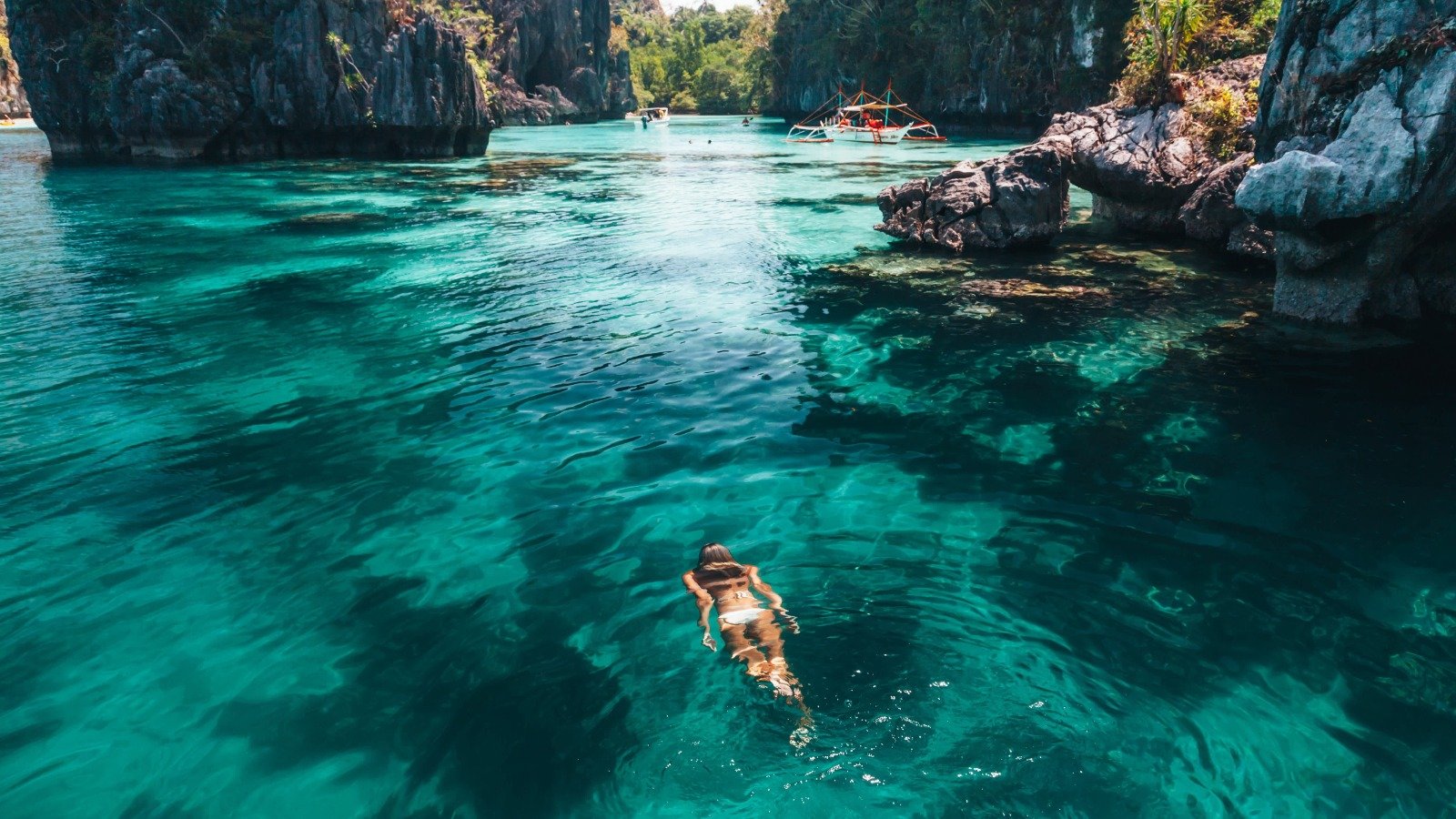
If your idea of a perfect holiday involves limestone cliffs plunging into turquoise water, hidden lagoons you have to swim through a rock crevice to reach, and fresh seafood eaten barefoot on a beach at sunset, El Nido belongs at the top of your travel list. Tucked into the northern tip of Palawan in the Philippines, El Nido is the gateway to the Bacuit Archipelago — a scattering of jungle-covered limestone islands widely considered one of the most beautiful island landscapes on Earth.
This guide walks through a well-paced 5-day, 4-night itinerary that covers the essentials: arrival logistics, three full days of island hopping, what to pack, and the best time of year to go — everything you need to plan an El Nido trip that actually works.
Why El Nido Belongs on Your Bucket List
El Nido isn't just another tropical beach destination. Its signature feature is the Bacuit Archipelago, a maze of karst islands, hidden lagoons, and coral gardens that can only really be explored by boat. Highlights that regularly top travellers' lists include:
- Big Lagoon and Small (Secret) Lagoon — glassy, jade-green water enclosed by sheer limestone walls
- Cathedral Cave — a dramatic rock formation accessible by kayak or swim
- Hidden Beach — a pocket of white sand reached only through a narrow gap in the cliffs
- Seven Commando Beach — a long, palm-fringed stretch perfect for a lunch stop
- Shimizu Island — coral gardens rich with tropical fish, ideal for snorkelling
- Cadlao Lagoon — a quieter, less-visited spot beneath El Nido's tallest island
Because most of these sites sit inside a protected marine park, the water clarity and coral health remain some of the best in Southeast Asia.
Getting There: Manila to El Nido
Most international travellers land in Manila before continuing on to El Nido. The most common route involves a road transfer of roughly two to two and a half hours north to Clark International Airport, followed by a short domestic flight into El Nido itself. As the plane descends, the karst peaks of the archipelago come into view — arguably the best introduction to the region you could ask for.
Once you land, it's a straightforward transfer to your resort, leaving the rest of day one free for something slower: a walk along the beachfront promenade, a browse through the local dive shops, and a sunset drink at a cliffside bar overlooking Cadlao Island. Dinner on your first night is a rite of passage in El Nido — most waterfront restaurants let you pick your seafood straight off the ice and choose how it's cooked.
The Heart of the Trip: Three Days of Island Hopping
The core of any El Nido itinerary is the island hopping — and El Nido organises its tours into four standard routes, simply labelled Tour A, B, C, and D. Each covers a different combination of lagoons, beaches, and snorkelling spots, so spending three full days on the water (choosing a different tour each day) lets you see the archipelago from multiple angles without repeating the same stops.
A typical day on tour includes:
- Departure by shared outrigger boat with a licensed, English-speaking guide
- Multiple stops for swimming, snorkelling, kayaking, or cave exploration
- A packed lunch served on board or on a beach
- All entrance fees and marine park conservation fees included
- Snorkelling gear provided
Note that Tour C typically includes the Matinloc Shrine, which usually carries a small separate entrance fee not covered in standard packages — worth budgeting for if that route is on your list.
By evening, you're back in town, which leaves time to explore El Nido's small but lively food and bar scene before repeating the adventure the next morning with a fresh tour route.
Where to Stay
El Nido's accommodation scene ranges from simple beachfront guesthouses to boutique resorts, generally split across 3-star, 4-star, and 5-star categories. Most multi-day itineraries build in four nights at a single resort as a home base, so you're not packing and unpacking between island tour days — a small detail that makes a big difference on a trip built around early boat departures.
Best Time to Visit El Nido
Timing your trip matters more in El Nido than in many other tropical destinations, since rough seas can cancel island tours entirely.
- November to April is the ideal window, coinciding with the Northeast Monsoon: clear skies, gentle breezes, and calm seas across all tour routes.
- December and January often bring the clearest water, even if mornings are occasionally a little overcast.
- March and April tend to have the calmest seas and the most reliable sunshine.
- December through February is also the busiest stretch, so book accommodation well in advance if you're travelling then.
- June to October marks the Southwest Monsoon, bringing dangerous swells and frequent tour cancellations, especially in July and August.
- May and June are shoulder months — a mix of sunshine and afternoon rain, with tours usually running but conditions more variable.
If flexibility isn't an issue, aim for the Nov–Apr window, and if crowds matter to you, shoulder-season March or early April is a solid middle ground.
What to Pack for El Nido
Because your days revolve around boats, snorkelling, and beach stops, packing smart makes a real difference:
- Reef-safe, biodegradable sunscreen — non-negotiable inside El Nido's protected marine park
- A rashguard or UV shirt for full days in the sun and water
- Sturdy water shoes for rocky entries and cave scrambles
- An underwater camera or GoPro with a floaty grip — you will want photos of the lagoons
- A dry bag (20L minimum) to protect your phone, passport, and cash on board
- Seasickness tablets, particularly useful during shoulder-season boat rides
- Lightweight long trousers for cooler evenings in Clark or Manila and for mosquito protection
- Insect repellent for beachside dinners
- Your own snorkel mask if you prefer a better fit than the resort-provided gear
- Philippine peso in cash — El Nido is largely a cash economy, and ATMs are limited and can run empty
- A power bank — long boat days drain phone batteries fast
Practical Trip Details
A standard 5-day, 4-night island explorer itinerary typically includes:
- Four nights of resort accommodation with daily breakfast
- Roundtrip airport transfers between El Nido Airport and your resort
- Domestic flights connecting Manila/Clark to El Nido
- Three full days of island hopping tours (your choice of routes)
- A licensed guide, life jackets, and snorkelling gear on every tour
- Packed lunch on each tour day
- All marine park and entrance fees
Typically not included: international airfare, visa fees, travel insurance, private boat upgrades, the Matinloc Shrine entrance fee on Tour C, scuba diving or kayak rentals beyond what's listed, and gratuities for boatmen and guides.
Final Thoughts
El Nido rewards travellers who give it enough time to actually explore the archipelago rather than rushing through on a day trip from elsewhere in Palawan. A 5-day itinerary built around three distinct island-hopping tours strikes a good balance — enough days on the water to see the lagoons, caves, and beaches that make this region famous, without over-packing the schedule.
If you're planning a trip, book during the November–April dry season for the best odds of calm seas, pack light but smart, and bring plenty of cash. The rest — the limestone cliffs, the impossibly clear lagoons, the fresh seafood dinners — takes care of itself.
Ready to plan your own El Nido adventure? Explore full itinerary details, pricing, and hotel options at TripGullak.